Your How deep are residential water lines buried images are available. How deep are residential water lines buried are a topic that is being searched for and liked by netizens today. You can Download the How deep are residential water lines buried files here. Download all royalty-free vectors.
If you’re looking for how deep are residential water lines buried pictures information connected with to the how deep are residential water lines buried keyword, you have visit the right site. Our website frequently provides you with suggestions for seeing the highest quality video and image content, please kindly hunt and locate more informative video content and images that fit your interests.
How Deep Are Residential Water Lines Buried. 1 to 3 inches deep. Before digging in your yard call 811 to have utility companies come out and mark any underground utility lines and do not dig within 2 feet of marked lines. Call Before You Dig Before burying either type of pipe call 811 in the US and have all existing buried utilities marked. Most sprinklers come in sizes of 2 4 and 6 inches.
 How Does A Submersible Well Pump Attach To A Well Homesteady Submersible Well Pump Water Well House Well Pump From pinterest.com
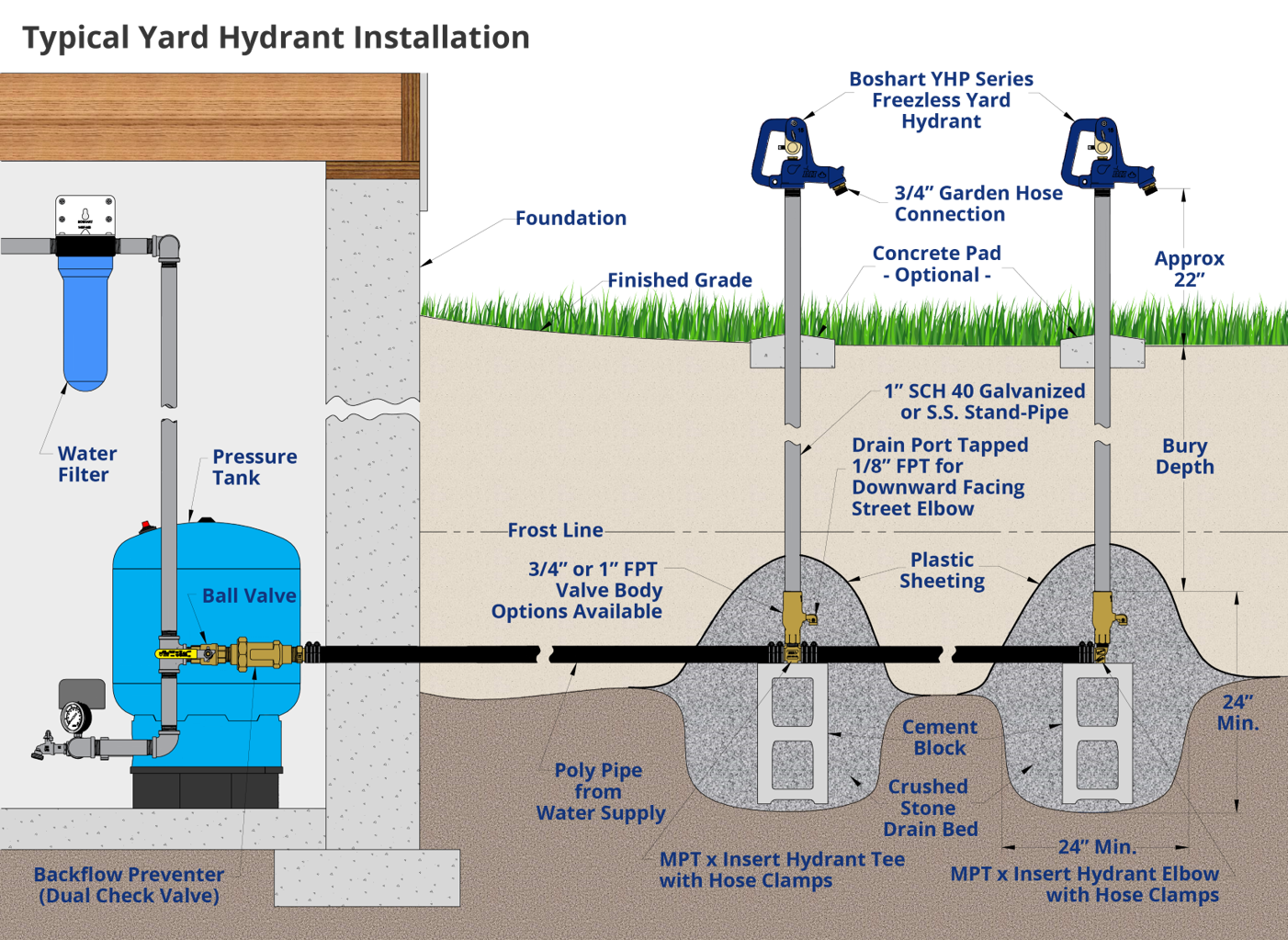
In the mountains careful plumbers will install pipes closer to 18 to 24 inches even though code only calls for 12. Weather patterns in various states mean that recommended water line depths may be different depending on where you live. How Deep Are Utility Lines Buried. Ask Question Asked 6 years 1 month ago. It is helpful to know the depth of different utility lines before digging so you can avoid them. 1 to 3 inches deep.
How Deep Are Utility Lines Buried.
Natural gas and electric pipes have buried a minimum of 24 inches deep. Bury a water mainline in a trench that is no less than 18 inches deep. Keep a map of where they are so you dont accidentally cut through them later. How deep are utilities typically buried. Natural gas and electric pipes have buried a minimum of 24 inches deep. Minimum of 24 inches deep.
 Source: pipespy.com
Sprinkler pipes should be buried about 8 in. When water supply pipe is to be laid near to other utilities supplies such as gas or electricity it should be a minimum of. Flags and other markings will show you their approximate location but you should use a utility locator to make sure you dont hit one of them accidentally. Whatever size sprinkler you choose to use it must sit underground at least the length of the sprinkler plus the length of the riser plus the diameter of the supply line. The length of the sprinkler body will also help determine how deep a sprinkler line needs to be buried.
 Source: pinterest.com
Minimum of 24 inches deep. The area it runs through is flat which may make a difference. Natural gas and electric pipes have buried a minimum of 24 inches deep. If your water does not freeze up in the winter they are presumably buried below frost line for your area - which is typically where they do get put by competent installers and not terribly deep if there is no frost In my area thats 4-5 feet typically. Below the surface to be safe.
 Source: pinterest.com
Key Points To Note When Digging Around Utility Lines. Crossings to be encased. Ask Question Asked 6 years 1 month ago. Water Lines will be constructed no less than thirty-six inches 36 lower than the lowest part of the drainage or bar ditch and the drainage is to be considered at least two feet 2 below the center of the roadway. Call Before You Dig Before burying either type of pipe call 811 in the US and have all existing buried utilities marked.
 Source: trusteyman.com
The area it runs through is flat which may make a difference. Blue MDPE pipe is used to supply mains water to homes and properties throughout the UK. Weather patterns in various states mean that recommended water line depths may be different depending on where you live. Call Before You Dig Before burying either type of pipe call 811 in the US and have all existing buried utilities marked. Natural gas and electric pipes have buried a minimum of 24 inches deep.
 Source: www1.nyc.gov
Before digging in your yard call 811 to have utility companies come out and mark any underground utility lines and do not dig within 2 feet of marked lines. All water and sewer lines that are placed in trenches greater than 24 inches in width will be buried with 60 inches of topcover when they cross cropland. The citys municipalities office should be consulted before digging a water line trench in order to ensure that there are no electrical water or sewer lines in the area. Before digging in your yard call 811 to have utility companies come out and mark any underground utility lines and do not dig within 2 feet of marked lines. Ask Question Asked 6 years 1 month ago.
 Source: trusteyman.com
Keep a map of where they are so you dont accidentally cut through them later. The length of the sprinkler body will also help determine how deep a sprinkler line needs to be buried. It is helpful to know the depth of different utility lines before digging so you can avoid them. The depth of utility lines will vary with each area and a lot of them may be running through a single location. Call Before You Dig Before burying either type of pipe call 811 in the US and have all existing buried utilities marked.
 Source: mmsd.com
Crossings to be encased. Another reason they need to be installed at the correct depth is to prevent water in them from freezing and then bursting the pipes. Ask Question Asked 6 years 1 month ago. Minimum of 24 inches deep. How Deep Should Water Pipes be Buried in the Ground.
 Source: punctualplumberdallas.com
How Deep Should Water Pipes be Buried in the Ground. The minimum water line depth ranges from 36 inches to 60 inches in Indiana but varies between counties. In the mountains careful plumbers will install pipes closer to 18 to 24 inches even though code only calls for 12. How deep are residential utility lines typically buried. How Deep Should Water Pipes be Buried in the Ground.
 Source: buildingadvisor.com
Keep a map of where they are so you dont accidentally cut through them later. Minimum of 24 inches deep. The area it runs through is flat which may make a difference. Ive never had it freeze this will be the 8th winter in service I use it every other day or so to water the animals in the winter. How deep are residential utility lines typically buried.
 Source: hometips.com
Ive never had it freeze this will be the 8th winter in service I use it every other day or so to water the animals in the winter. The minimum water line depth ranges from 36 inches to 60 inches in Indiana but varies between counties. At least 12 inches deep but may also be another 12 inches below the frost line. Key Points To Note When Digging Around Utility Lines. In the mountains careful plumbers will install pipes closer to 18 to 24 inches even though code only calls for 12.
 Source: blog.boshart.com
Most sprinklers come in sizes of 2 4 and 6 inches. How Deep Are Utility Lines Buried. Flags and other markings will show you their approximate location but you should use a utility locator to make sure you dont hit one of them accidentally. Crossings to be encased. How Deep Should Water Pipes be Buried in the Ground.
 Source: pinterest.com
Ask Question Asked 6 years 1 month ago. The minimum water line depth ranges from 36 inches to 60 inches in Indiana but varies between counties. Natural gas and electric pipes have buried a minimum of 24 inches deep. The area it runs through is flat which may make a difference. When laying MDPE water supply pipe it should be laid at a minimum of 750mm and a maximum of 1350mm below finished ground level.
 Source: inspectapedia.com
Sprinkler pipes should be buried about 8 in. When laying MDPE water supply pipe it should be laid at a minimum of 750mm and a maximum of 1350mm below finished ground level. If your water does not freeze up in the winter they are presumably buried below frost line for your area - which is typically where they do get put by competent installers and not terribly deep if there is no frost In my area thats 4-5 feet typically. Bury a water mainline in a trench that is no less than 18 inches deep. Natural gas and electric pipes have buried a minimum of 24 inches deep.
 Source: pipespy.com
Underground Power line crossings and longitudinal shall be encased. How Deep Should Water Pipes be Buried in the Ground. In Indiana for example Lake County in the northern part of the state near Chicago requires a 60-inch depth while the water lines in southern counties located closer to Kentucky may be 36 inches. Blue MDPE pipe is used to supply mains water to homes and properties throughout the UK. A 12-inch pipe depth makes it easier for plumbers to access or replace pipes.
 Source: pinterest.com
1 to 3 inches deep. Minimum of 24 inches deep. When water supply pipe is to be laid near to other utilities supplies such as gas or electricity it should be a minimum of. Most residential subterranean sprinklers are fitted six inches underground. Call Before You Dig Before burying either type of pipe call 811 in the US and have all existing buried utilities marked.
 Source: pipespy.com
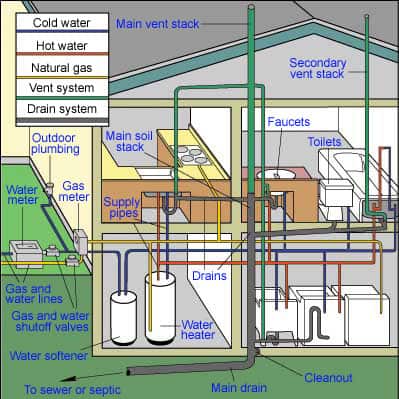
Telephone and TV cable lines may be as shallow as 12 inches water lines 48 inches or deeper in areas wher the ground freezes and sewer lines as deep as necessary to maintain gravity flow 5 10 20 feet or more. In the mountains careful plumbers will install pipes closer to 18 to 24 inches even though code only calls for 12. Minimum of 24 inches deep. Another reason they need to be installed at the correct depth is to prevent water in them from freezing and then bursting the pipes. Blue MDPE pipe is used to supply mains water to homes and properties throughout the UK.
 Source: hometips.com
At least 12 inches deep but may also be another 12 inches below the frost line. All water and sewer lines that are placed in trenches greater than 24 inches in width will be buried with 60 inches of topcover when they cross cropland. Most sprinklers come in sizes of 2 4 and 6 inches. How Deep Are Utility Lines Buried. This will allow you to request the location and markings of buried utility lines.
 Source: punctualplumberdallas.com
1 to 3 inches deep. How deep are residential utility lines typically buried. Keep a map of where they are so you dont accidentally cut through them later. The area it runs through is flat which may make a difference. Minimum of 24 inches deep.
This site is an open community for users to do sharing their favorite wallpapers on the internet, all images or pictures in this website are for personal wallpaper use only, it is stricly prohibited to use this wallpaper for commercial purposes, if you are the author and find this image is shared without your permission, please kindly raise a DMCA report to Us.
If you find this site value, please support us by sharing this posts to your preference social media accounts like Facebook, Instagram and so on or you can also bookmark this blog page with the title how deep are residential water lines buried by using Ctrl + D for devices a laptop with a Windows operating system or Command + D for laptops with an Apple operating system. If you use a smartphone, you can also use the drawer menu of the browser you are using. Whether it’s a Windows, Mac, iOS or Android operating system, you will still be able to bookmark this website.


