Your How deep is a septic drain field images are ready in this website. How deep is a septic drain field are a topic that is being searched for and liked by netizens today. You can Download the How deep is a septic drain field files here. Download all royalty-free images.
If you’re searching for how deep is a septic drain field pictures information linked to the how deep is a septic drain field keyword, you have pay a visit to the right blog. Our site always provides you with hints for seeking the maximum quality video and image content, please kindly hunt and find more enlightening video content and images that match your interests.
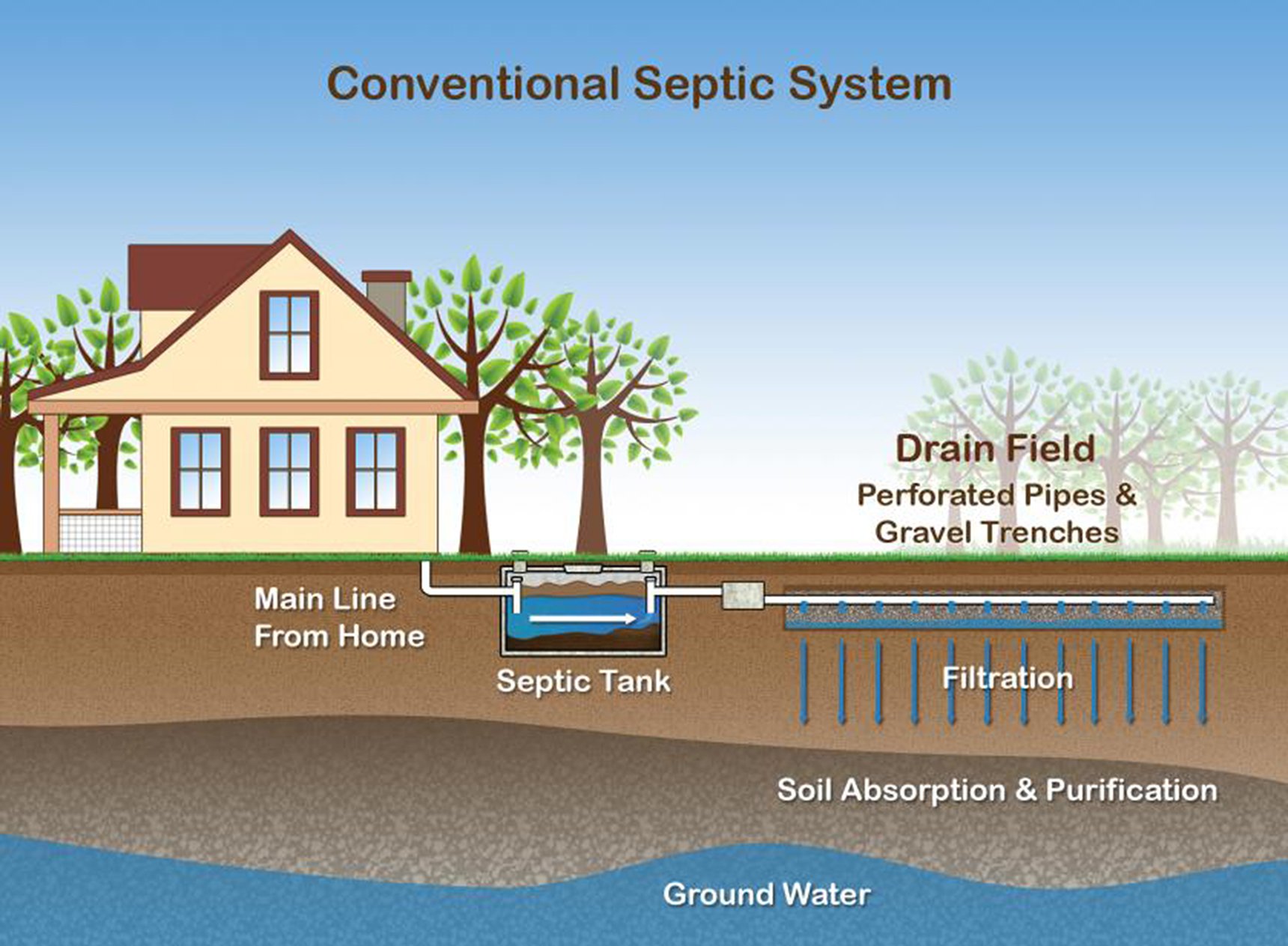
How Deep Is A Septic Drain Field. Please keep in mind that septic tanks cannot and should not be closer than five feet to your home. Measurements vary where deep drains and deep excavations are necessary. A 300mm square should be excavated to a depth of 300mm below the invert level of the effluent distribution pipe. Septic drainfield trench depth specificationA typical septic drainfield trench is 18 to 30 inches in depth with a maximum soil cover over the disposal field of 36.
 Septic Systems Tips On Managing Your Wastewater From mountainluxury.com
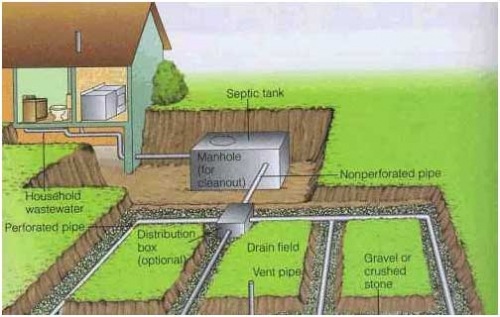
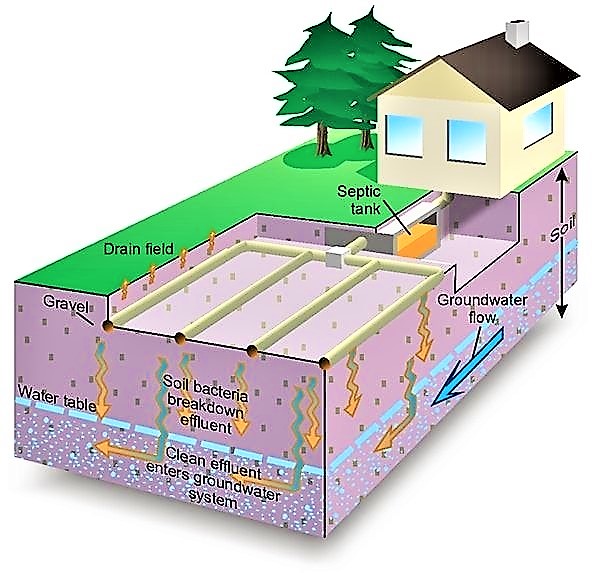
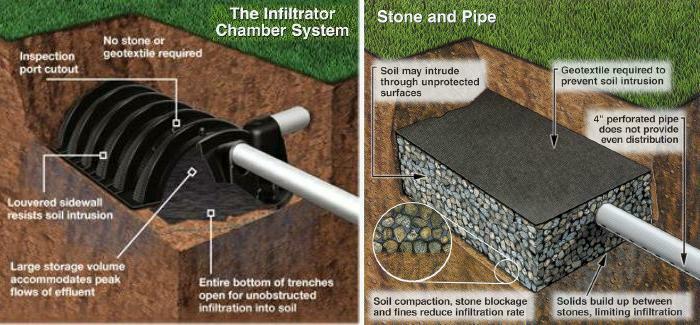
The gravel layer needs to be at the bottom of each trench and about 1 foot deep. Each drain-field trench should be at least 3 to 4 feet wide and 3 to 4 feet deep. Maximum slope of trench grade. How deep is a septic drain field A type of subsurface wastewater disposal facility Septic tank and septic drain field Septic drain fields also called leach fields or leach drains are subsurface wastewater disposal facilities used to remove contaminants and impurities from the liquid that emerges after anaerobic digestion in a septic tank. The depth of your septic leach field will depend on your local regulations. They are typically at a minimum of 10 feet apart and less than 100 feet long.
Usually a septic drainfield trench is between 18 inches to 30 inches in depth.
Your drain field is designed to only treat a limited amount of water. Each drain-field trench should be at least 3 to 4 feet wide and 3 to 4 feet deep. This can be accomplished by making four trenches 25 feet long or two trenches 50 feet long. A septic system works to remove waste from households and businesses and is often used in areas without access to municipal sewer systems. Or per the USDA 2 feet to 5 feet in depth. The minimum depth of the pipes should be 500mm below the surface.
 Source: canr.msu.edu
Or per the USDA 2 feet to 5 feet in depth. Usually a septic drainfield trench is between 18 inches to 30 inches in depth. The trench in which the pipes are buried may be as deep as 6 feet. Drainage fields should be constructed using perforated pipe laid in trenches of uniform gradient that is not steeper than 1200. Measurements vary where deep drains and deep excavations are necessary.
 Source: thenaturalhome.com
4 inches 100. The depth of your septic leach field will depend on your local regulations. The size of the drainfield can vary infinitely but most have minimum size requirements based on state and municipal codes. There should be at least 100 feet of drain field for a 1000-gallon septic tank. Usually a septic drainfield trench is between 18 inches to 30 inches in depth.
 Source: ajfoss.com
They are typically at a minimum of 10 feet apart and less than 100 feet long. The perforated pipes must be laid on a 300mm layer of clean shingle or. The trenches should be at a slight downward slant of no more than 14 inch per 8 feet of pipe. 4 inches 100. A layer of gravel should be placed at the bottom of the trench to a depth of about 1 foot.
 Source: buildingadvisor.com
A septic system works to remove waste from households and businesses and is often used in areas without access to municipal sewer systems. Generally speaking most septic tanks will be located in a range of 10 to 25 feet from the home. A typical septic drainfield trench is 18 to 30 inches in depth with a maximum soil cover over the disposal field of 36. Or per the USDA 2 feet to 5 feet in depth. The gravel layer needs to be at the bottom of each trench and about 1 foot deep.
 Source: oscarsellshomes.com
Should your property not currently have a septic tank but you are interested in the prospect of adding one it is important to know where it should go. Each of your trenches should typically be anywhere between 1 to 3 feet deep and around 18 inches wide. As per USDA the maximum soil cover over this disposal field is usually 2 feet to 5 feet in depth. Usually a septic drainfield trench is between 18 inches to 30 inches in depth. The leach field is the end result of the septic system.
 Source: sswm.info
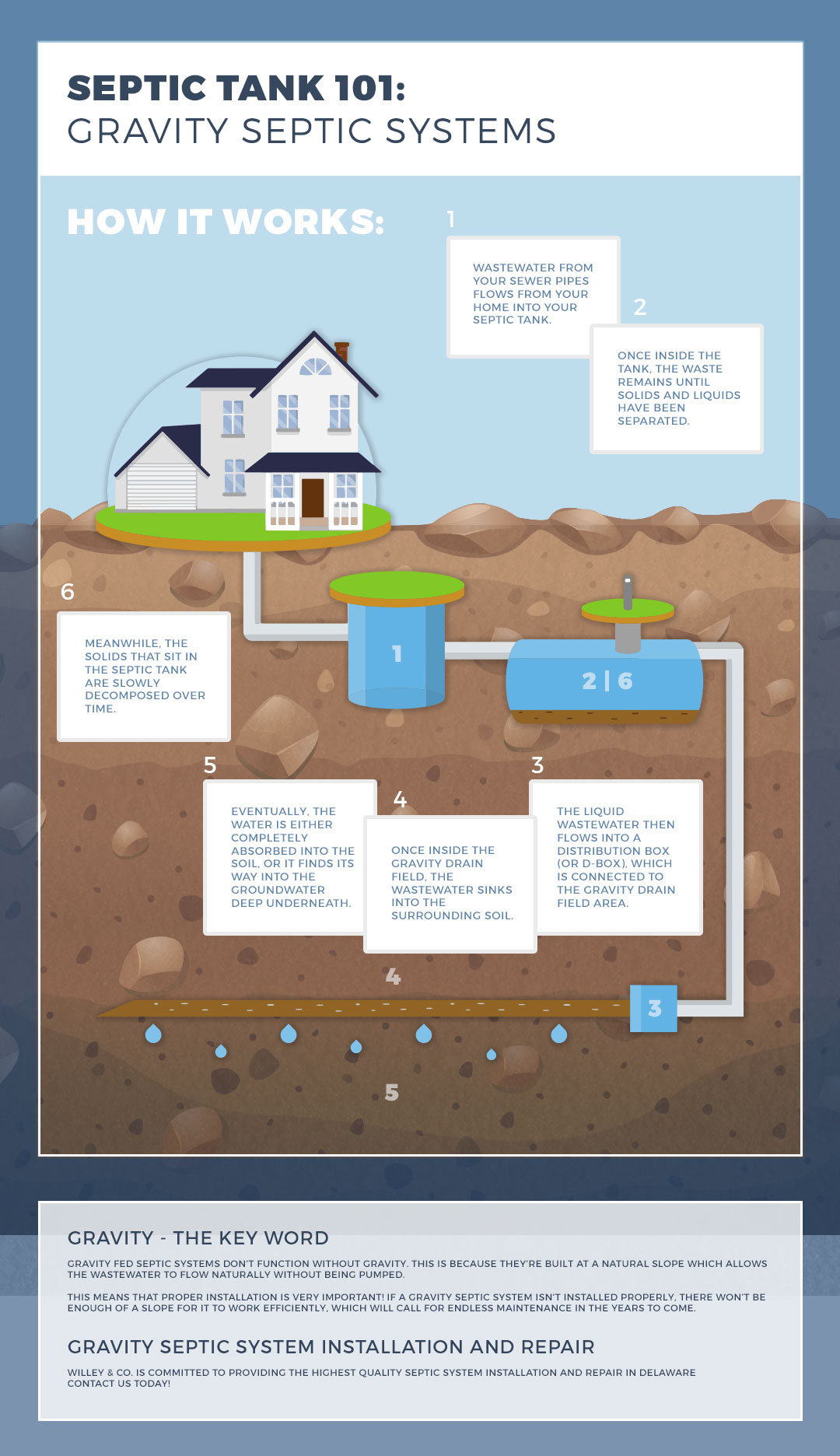
A septic system works to remove waste from households and businesses and is often used in areas without access to municipal sewer systems. Locate leach fields in open spaces that contain sufficient room and will be easy to access in the event of. Drain lines run from the septic tank to the. The gravel layer needs to be at the bottom of each trench and about 1 foot deep. Perforated distribution pipes should be connected to the distribution box that leads to the septic tank.
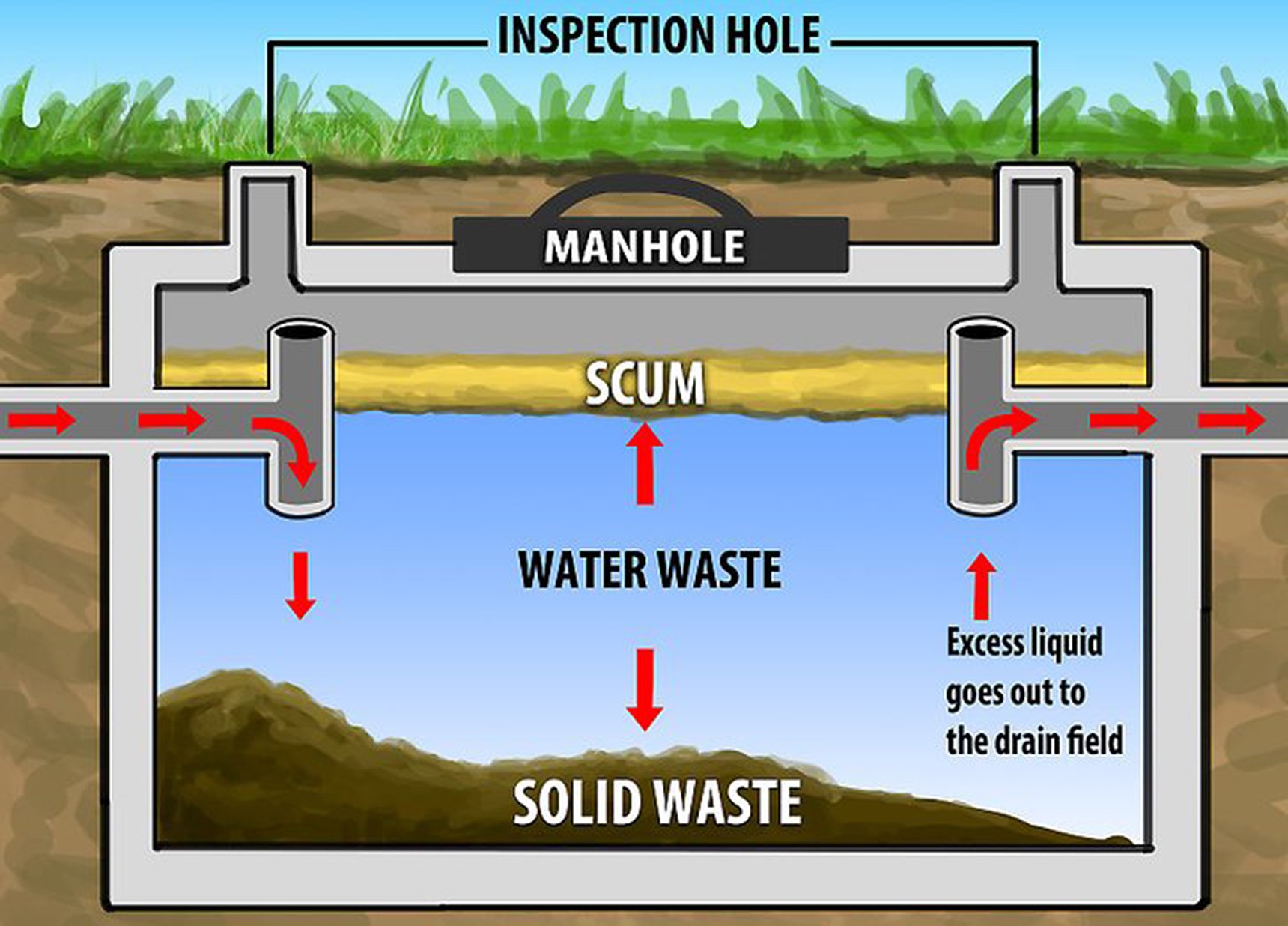 Source: mountainluxury.com
Your drain field is designed to only treat a limited amount of water. The depth of your septic leach field will depend on your local regulations. Each drain-field trench should be at least 3 to 4 feet wide and 3 to 4 feet deep. These contribute a significant volume of water to the septic tank which in turn overloads your drain field. How deep are the septic field lines.
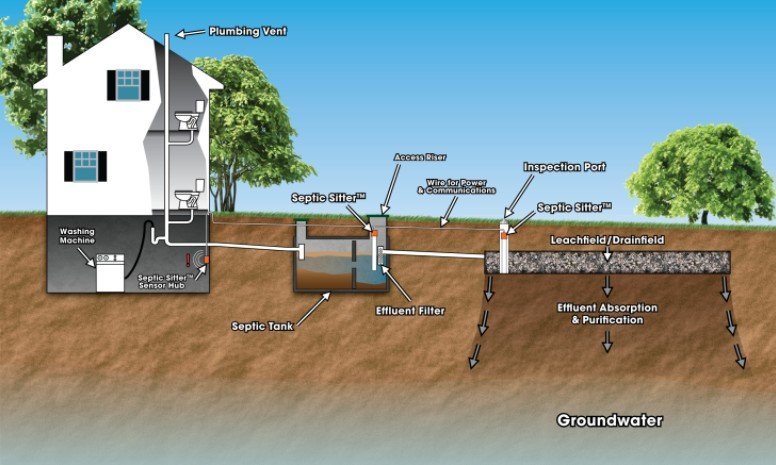 Source: kamloopspropertyforsale.com
There should be at least 100 feet of drain field for a 1000-gallon septic tank. At REFERENCES we cite these sources. The leach field is the end result of the septic system. As per USDA the maximum soil cover over this disposal field is usually 2 feet to 5 feet in depth. Leach fields are an integral part to a successful septic system.
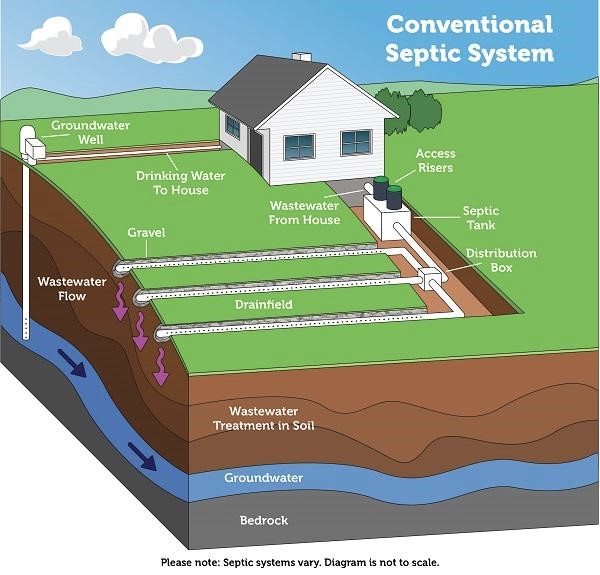 Source: homesbytrueblue.com
The presence of so much water in your septic system overloads the drain field. Each of your trenches should typically be anywhere between 1 to 3 feet deep and around 18 inches wide. How deep are the septic field lines. The depth of your septic leach field will depend on your local regulations. 4 inches 100.
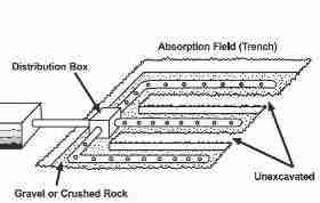 Source: inspectapedia.com
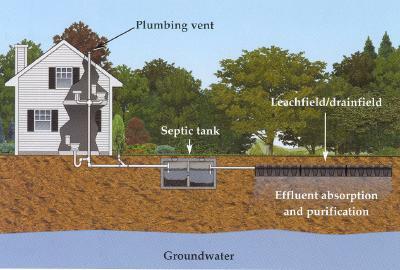
Generally speaking most septic tanks will be located in a range of 10 to 25 feet from the home. How deep is a septic drain field A type of subsurface wastewater disposal facility Septic tank and septic drain field Septic drain fields also called leach fields or leach drains are subsurface wastewater disposal facilities used to remove contaminants and impurities from the liquid that emerges after anaerobic digestion in a septic tank. The presence of so much water in your septic system overloads the drain field. Please keep in mind that septic tanks cannot and should not be closer than five feet to your home. They are typically at a minimum of 10 feet apart and less than 100 feet long.
 Source: thenaturalhome.com
Drainage fields should be constructed using perforated pipe laid in trenches of uniform gradient that is not steeper than 1200. There should be at least 100 feet of drain field for a 1000-gallon septic tank. A 300mm square should be excavated to a depth of 300mm below the invert level of the effluent distribution pipe. A septic system works to remove waste from households and businesses and is often used in areas without access to municipal sewer systems. Septic drainfield trench depth specificationA typical septic drainfield trench is 18 to 30 inches in depth with a maximum soil cover over the disposal field of 36.
 Source: willeyco.com
Please refer to the Building Regulations Part H2 134. Please keep in mind that septic tanks cannot and should not be closer than five feet to your home. Or per the USDA 2 feet to 5 feet in depth. A layer of gravel should be placed at the bottom of the trench to a depth of about 1 foot. How deep are the septic field lines.
 Source: thenaturalhome.com
4 inches 100. The depth of your septic leach field will depend on your local regulations. Usually a septic drainfield trench is between 18 inches to 30 inches in depth. The trench in which the pipes are buried may be as deep as 6 feet. How Deep Should a Septic Leach Field Be.
 Source: de.pinterest.com
The presence of so much water in your septic system overloads the drain field. Locate leach fields in open spaces that contain sufficient room and will be easy to access in the event of. Please keep in mind that septic tanks cannot and should not be closer than five feet to your home. Your drain field is designed to only treat a limited amount of water. How deep are the septic field lines.
 Source: drainfieldrepair.com
You will need to dig either four two-foot long trenches or two 50-foot trenches for a 1000-gallon septic tank. This can be accomplished by making four trenches 25 feet long or two trenches 50 feet long. Generally speaking most septic tanks will be located in a range of 10 to 25 feet from the home. There should be at least 100 feet of drain field for a 1000-gallon septic tank. Maximum slope of trench grade.
 Source: agrilifeextension.tamu.edu
A drainfield design depends upon many variables such as the size and topographical features of the lot depth of the water table soil conditions and types and other criteria. Measurements vary where deep drains and deep excavations are necessary. The presence of so much water in your septic system overloads the drain field. The leach field is the end result of the septic system. Each drain-field trench should be at least 3 to 4 feet wide and 3 to 4 feet deep.
Source: mountainluxury.com
Please refer to the Building Regulations Part H2 134. The size of the drainfield can vary infinitely but most have minimum size requirements based on state and municipal codes. Please keep in mind that septic tanks cannot and should not be closer than five feet to your home. You will need to dig either four two-foot long trenches or two 50-foot trenches for a 1000-gallon septic tank. Make your trenches so they tilt downward slightly but no more than a 14-inch incline for every eight feet you have.
 Source: inspectapedia.com
How Deep Should a Septic Leach Field Be. Locate leach fields in open spaces that contain sufficient room and will be easy to access in the event of. A septic system works to remove waste from households and businesses and is often used in areas without access to municipal sewer systems. The minimum depth of the pipes should be 500mm below the surface. Your drain field is designed to only treat a limited amount of water.
This site is an open community for users to share their favorite wallpapers on the internet, all images or pictures in this website are for personal wallpaper use only, it is stricly prohibited to use this wallpaper for commercial purposes, if you are the author and find this image is shared without your permission, please kindly raise a DMCA report to Us.
If you find this site convienient, please support us by sharing this posts to your own social media accounts like Facebook, Instagram and so on or you can also save this blog page with the title how deep is a septic drain field by using Ctrl + D for devices a laptop with a Windows operating system or Command + D for laptops with an Apple operating system. If you use a smartphone, you can also use the drawer menu of the browser you are using. Whether it’s a Windows, Mac, iOS or Android operating system, you will still be able to bookmark this website.


