Your How long does concrete need to cure before freezing images are available in this site. How long does concrete need to cure before freezing are a topic that is being searched for and liked by netizens now. You can Get the How long does concrete need to cure before freezing files here. Find and Download all royalty-free photos.
If you’re searching for how long does concrete need to cure before freezing images information linked to the how long does concrete need to cure before freezing interest, you have pay a visit to the right blog. Our website frequently provides you with suggestions for viewing the maximum quality video and image content, please kindly search and locate more enlightening video articles and graphics that fit your interests.
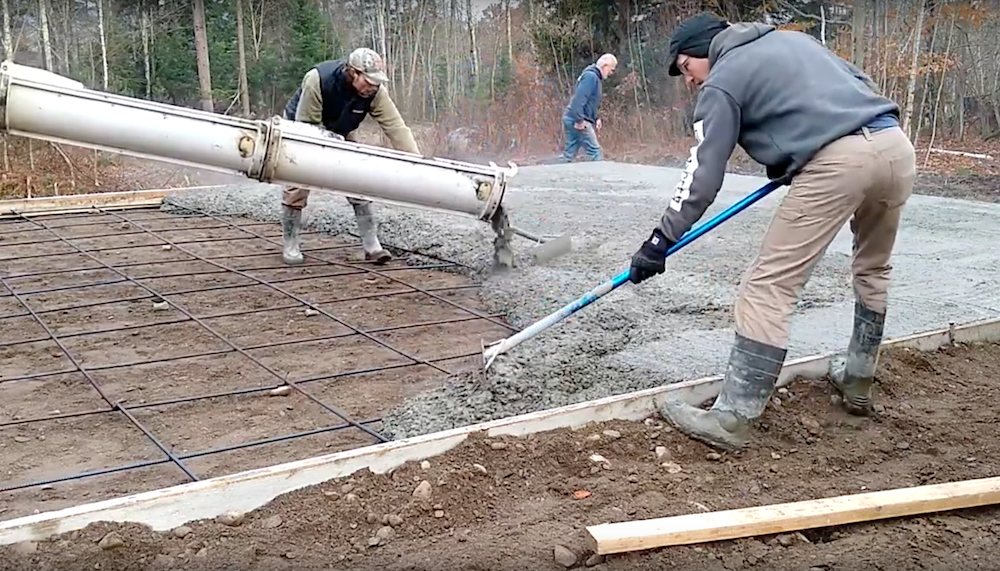
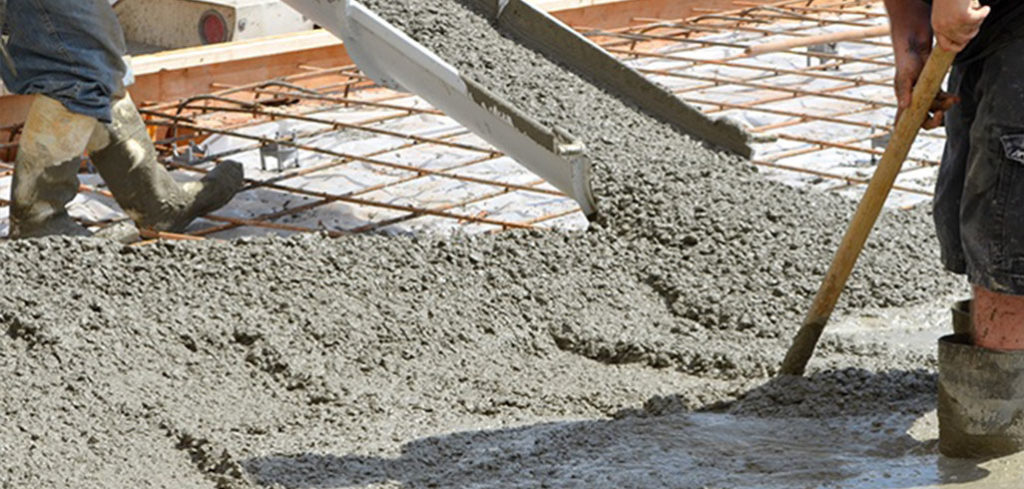
How Long Does Concrete Need To Cure Before Freezing. Freshly mixed concrete must be protected against freezing until it reaches a compressive strength of 500 psi. At 40 degrees F concrete could take up to 3 days to reach 500 psi. Another reason penetrating sealers are popular is they dont change the concretes appearance when properly applied. This can be done more efficiently using a concrete temperature and maturity meter such as SmartRock.
 Guide Pouring Concrete In Cold Temperatures Master Mix Concrete From mastermixconcrete.co.uk
Concrete doesnt gain its full strength overnight so if ambient temperatures are below freezing the curing process can be stopped in its tracks. Even though concrete can take four weeks or longer to fully cure luckily you dont need to wait that long to start framing. If the concrete is kept at around 50F protection can typically be removed after two days. At specified curing temperatures well-portioned concrete mixtures should attain this strength within 24 to 48 hours. Its just how things work. Concrete should be kept warm around 50F 10C in order to cure properly.
The temperature of the concrete within the first 24 to 48 hours determine whether the concrete will reach its strength potential.
This can be done more efficiently using a concrete temperature and maturity meter such as SmartRock. The curing process takes time. Freshly mixed concrete must be protected against freezing until it reaches a compressive strength of 500 psi. In cold weather the main thing you want to avoid is letting the concrete freeze. Concrete should be kept warm around 50F 10C in order to cure properly. While you may only need to keep the concrete protected for the first week while it cures it actually takes it about 28 days to reach its full strength and hardness.
 Source: sakrete.com
Concrete will be severely weakened if it freezes before it can reach its full strength. In cold weather the main thing you want to avoid is letting the concrete freeze. At 40 degrees F concrete could take up to 3 days to reach 500 psi. All concrete must be protected from freezing until it has reached a minimum strength of 500 pounds per square inch psi which typically happens within the first 24 hours. The curing process takes time.
 Source: pinterest.com
Even though concrete can take four weeks or longer to fully cure luckily you dont need to wait that long to start framing. At normal temperatures 70 degrees F concrete usually reaches 500 psi in the first 24 hours. After the concrete is poured and floated the. All concrete must be protected from freezing until it has reached a minimum strength of 500 pounds per square inch psi which typically happens within the first 24 hours. Ideally the concrete would be poured when there isnt a window of 50 degree weather anytime soon.
 Source: concretenetwork.com
Concrete will be severely weakened if it freezes before it can reach its full strength. Poured concrete can take up to 28 days to fully cure. At normal temperatures 70 degrees F concrete usually reaches 500 psi in the first 24 hours. All concrete must be protected from freezing until it has reached a minimum strength of 500 pounds per square inch psi which typically happens within the first 24 hours. That period typically ranges from 1 to 6 days with the shortest period applying to concrete that includes accelerated-set chemicals is not under load during construction and is not exposed to cold in service after project completion.
 Source: copavementsolutions.com
And you can see that there doesnt have to be freezing weather for the setting of the concrete to slow down. During periods not defined as cold weather but when freezing temperatures can occur protect concrete surfaces from freezing for the first 24 hours after placement. Poured concrete can take up to 28 days to fully cure. In cold weather the main thing you want to avoid is letting the concrete freeze. All concrete must be protected from freezing until it has reached a minimum strength of 500 pounds per square inch psi which typically happens within the first 24 hours.
 Source: pinterest.com
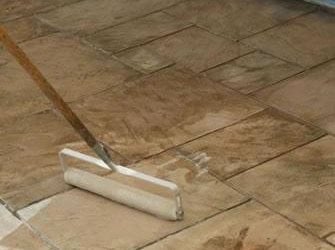
The longer you allow concrete to cure the harder it becomes. And you can see that there doesnt have to be freezing weather for the setting of the concrete to slow down. Poured concrete can take up to 28 days to fully cure. In fact a stretch of at least three days without extremely hot weather freezing temperatures or rain in the forecast is preferred. The major concern is that there can be no other membrane cure or sealer on the concrete when applying and the concrete must be at least 28 days old before application.
 Source: ceramics.org
The longer you allow concrete to cure the harder it becomes. Even though concrete can take four weeks or longer to fully cure luckily you dont need to wait that long to start framing. If the concrete remains at 50F depending on what kind of cement is used and how much accelerator you should wait a couple of weeks-better to wait 4 weeks-before actually putting it into service. That would mean that it would properly set in the regular timeframe 14 to 28 days. At 40 degrees F concrete could take up to 3 days to reach 500 psi.
 Source: pinterest.com
If the concrete remains at 50F depending on what kind of cement is used and how much accelerator you should wait a couple of weeks-better to wait 4 weeks-before actually putting it into service. All concrete must be protected from freezing until it has reached a minimum strength of 500 pounds per square inch psi which typically happens within the first 24 hours. Ideally the concrete would be poured when there isnt a window of 50 degree weather anytime soon. Concrete usually needs to stay wet for a certain amount of time to cure properly. Three days of pond curing does the work of seven days of moist curing and without daily attentionjust be sure the water level remains above the concrete slab.
 Source: in.pinterest.com
Freshly mixed concrete must be protected against freezing until it reaches a compressive strength of 500 psi. If accelerating mixtures are adding to the concrete the curing process speeds up and you will have to keep the concrete warm for fewer days according to Concrete Contractor. Another reason penetrating sealers are popular is they dont change the concretes appearance when properly applied. Three days of pond curing does the work of seven days of moist curing and without daily attentionjust be sure the water level remains above the concrete slab. This can be done more efficiently using a concrete temperature and maturity meter such as SmartRock.
 Source: concretenetwork.com
The curing process takes time. The temperature of the concrete within the first 24 to 48 hours determine whether the concrete will reach its strength potential. While you may only need to keep the concrete protected for the first week while it cures it actually takes it about 28 days to reach its full strength and hardness. In fact a stretch of at least three days without extremely hot weather freezing temperatures or rain in the forecast is preferred. ACI 306 recommendations to protect fresh concrete from freezing can be broken down into two categories.
 Source: kingconcrete.co.uk
After the concrete is poured and floated the. If it drops youll need to. Freshly mixed concrete must be protected against freezing until it reaches a compressive strength of 500 psi. At seven days you should have concrete that is cured to 70 full strength or greater. Its just how things work.
 Source: pinterest.com
Another reason penetrating sealers are popular is they dont change the concretes appearance when properly applied. Its just how things work. The longer you allow concrete to cure the harder it becomes. The curing process takes time. ACI 306 recommendations to protect fresh concrete from freezing can be broken down into two categories.
 Source: gtalandscaping.com
After the concrete is poured and floated the. ACI 306 recommendations to protect fresh concrete from freezing can be broken down into two categories. Concrete should be kept warm around 50F 10C in order to cure properly. At specified curing temperatures well-portioned concrete mixtures should attain this strength within 24 to 48 hours. Concrete doesnt gain its full strength overnight so if ambient temperatures are below freezing the curing process can be stopped in its tracks.
 Source: madgetech.com
Concrete will be severely weakened if it freezes before it can reach its full strength. That would mean that it would properly set in the regular timeframe 14 to 28 days. During periods not defined as cold weather but when freezing temperatures can occur protect concrete surfaces from freezing for the first 24 hours after placement. In cold weather the main thing you want to avoid is letting the concrete freeze. In fact a stretch of at least three days without extremely hot weather freezing temperatures or rain in the forecast is preferred.
 Source: pinterest.com
Three days of pond curing does the work of seven days of moist curing and without daily attentionjust be sure the water level remains above the concrete slab. And you can see that there doesnt have to be freezing weather for the setting of the concrete to slow down. Ideally the concrete would be poured when there isnt a window of 50 degree weather anytime soon. If the concrete remains at 50F depending on what kind of cement is used and how much accelerator you should wait a couple of weeks-better to wait 4 weeks-before actually putting it into service. Freshly mixed concrete must be protected against freezing until it reaches a compressive strength of 500 psi.
 Source: pinterest.com
Even though concrete can take four weeks or longer to fully cure luckily you dont need to wait that long to start framing. If it drops youll need to. While you may only need to keep the concrete protected for the first week while it cures it actually takes it about 28 days to reach its full strength and hardness. Concrete usually needs to stay wet for a certain amount of time to cure properly. Therefore it is critical that.
Source: mastermixconcrete.co.uk
In fact a stretch of at least three days without extremely hot weather freezing temperatures or rain in the forecast is preferred. That period typically ranges from 1 to 6 days with the shortest period applying to concrete that includes accelerated-set chemicals is not under load during construction and is not exposed to cold in service after project completion. During periods not defined as cold weather but when freezing temperatures can occur protect concrete surfaces from freezing for the first 24 hours after placement. If accelerating mixtures are adding to the concrete the curing process speeds up and you will have to keep the concrete warm for fewer days according to Concrete Contractor. Another reason penetrating sealers are popular is they dont change the concretes appearance when properly applied.
 Source: pinterest.com
Poured concrete can take up to 28 days to fully cure. Concrete doesnt gain its full strength overnight so if ambient temperatures are below freezing the curing process can be stopped in its tracks. After the concrete is poured and floated the. The temperature of the concrete within the first 24 to 48 hours determine whether the concrete will reach its strength potential. The major concern is that there can be no other membrane cure or sealer on the concrete when applying and the concrete must be at least 28 days old before application.
 Source: pinterest.com
At 40 degrees F concrete could take up to 3 days to reach 500 psi. And you can see that there doesnt have to be freezing weather for the setting of the concrete to slow down. Fresh concrete can freeze at 25F -4C so it is important to warm fresh concrete until it has the proper compressive strength measurement. While you may only need to keep the concrete protected for the first week while it cures it actually takes it about 28 days to reach its full strength and hardness. The major concern is that there can be no other membrane cure or sealer on the concrete when applying and the concrete must be at least 28 days old before application.
This site is an open community for users to do submittion their favorite wallpapers on the internet, all images or pictures in this website are for personal wallpaper use only, it is stricly prohibited to use this wallpaper for commercial purposes, if you are the author and find this image is shared without your permission, please kindly raise a DMCA report to Us.
If you find this site beneficial, please support us by sharing this posts to your own social media accounts like Facebook, Instagram and so on or you can also save this blog page with the title how long does concrete need to cure before freezing by using Ctrl + D for devices a laptop with a Windows operating system or Command + D for laptops with an Apple operating system. If you use a smartphone, you can also use the drawer menu of the browser you are using. Whether it’s a Windows, Mac, iOS or Android operating system, you will still be able to bookmark this website.


