Your How long should fresh concrete be kept wet images are available in this site. How long should fresh concrete be kept wet are a topic that is being searched for and liked by netizens now. You can Find and Download the How long should fresh concrete be kept wet files here. Download all royalty-free photos and vectors.
If you’re searching for how long should fresh concrete be kept wet pictures information related to the how long should fresh concrete be kept wet keyword, you have pay a visit to the right blog. Our site frequently provides you with hints for refferencing the highest quality video and picture content, please kindly search and find more enlightening video content and graphics that fit your interests.
How Long Should Fresh Concrete Be Kept Wet. This is why corrosion-proof reinforcing rod should be used for long-term reliability of concrete projects. Dry intervals or patches can lead to crazing or. Water can be ponded sprayed or misted onto the surface. It could be from one to seven days.
 Why Does My New Concrete Look Like This When Wet Concrete From reddit.com
Smoothing concrete with a trowel to give it a nice surface before it hardens is called finishing. Use good judgment and protect concrete whenever there is a possibility of freezing. Concrete Too Wet. After 48 hours we must start watering the concrete to maintain it because the chemical actions still need watering. At 40 degrees F concrete could take up to 3 days to reach 500 psi. The few hours your dried will make little difference.
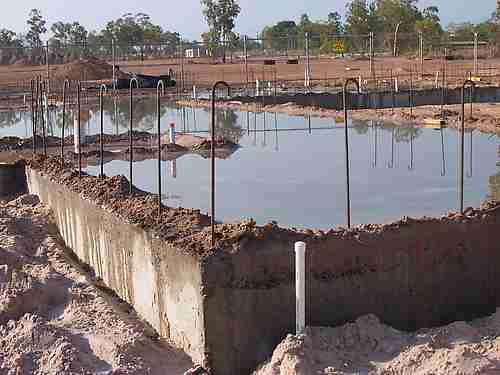
Use epoxy-coated galvanized or fiberglass rebar for all ground-level concrete slabs.
Smoothing concrete with a trowel to give it a nice surface before it hardens is called finishing. As mentioned never plan to pour fresh concrete when the weather is not suitable for it. How long to keep it wet depends on temperature and the mixyou want it to have reached sufficient strength on the surface. The compounds we use are either Dissipating Cure. This is why corrosion-proof reinforcing rod should be used for long-term reliability of concrete projects. Concrete Too Wet.
 Source: youtube.com
If the rain occurs when the concrete is fresh about 2-4 hours after mixing the surface should be protected from the rain. Wet the concrete thoroughly and then cover it with the sheeting of your choice using bricks rocks or other heavy items to hold it in place. Some contractors apply additional water through fogging or spraying the slab surface repeatedly. This is probably the. The most important part is to keep the concrete wet so there is enough water for the hardening process.
 Source: ro.pinterest.com
It could be from one to seven days. The American Concrete Institute ACI definition of cold-weather concreting is a period when for more than three successive days the average daily air temperature drops below 40 degrees Fahrenheit and stays below 50 degrees Fahrenheit for more than one-half of any 24-hour period 2 Under these conditions special techniques need to be applied. Ideally the concrete will be kept wet for 28 days the time it takes for the chemical reactions to complete their actions giving the most strength possible for a given concrete mixture. Use good judgment and protect concrete whenever there is a possibility of freezing. Moist-curing concrete for 20 days more than doubles its strength compared to four days of moist-curing which is considered a minimum.
 Source: civildigital.com
The duration depends on the quality of the concrete. Smoothing concrete with a trowel to give it a nice surface before it hardens is called finishing. The few hours your dried will make little difference. The better way to cure concrete though is with water curing. Some contractors apply additional water through fogging or spraying the slab surface repeatedly.
 Source: wagnermeters.com
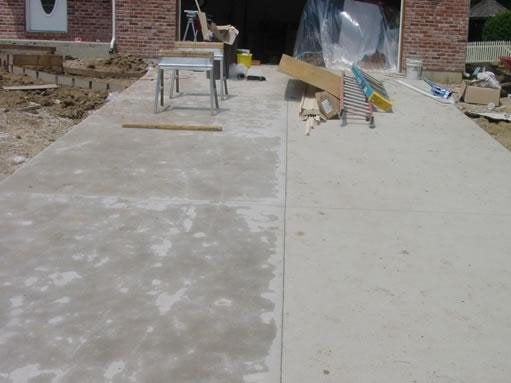
Dry intervals or patches can lead to crazing or. We continue watering the slab for at least 5 days. Use good judgment and protect concrete whenever there is a possibility of freezing. Advances in chemical curing compounds virtually eliminate the need to keep the concrete wet to keep the surface from drying faster than the bottom. This is why corrosion-proof reinforcing rod should be used for long-term reliability of concrete projects.
 Source: copavementsolutions.com
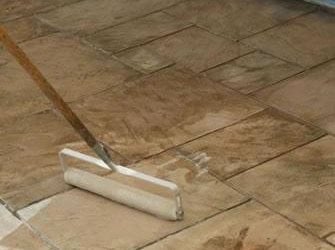
We continue watering the slab for at least 5 days. Moist-curing concrete for 20 days more than doubles its strength compared to four days of moist-curing which is considered a minimum. Also Know how long should mortar cure before rain. Wet the concrete thoroughly and then cover it with the sheeting of your choice using bricks rocks or other heavy items to hold it in place. How long should fresh concrete be kept wet.
 Source: concretenetwork.com
Dry intervals or patches can lead to crazing or. The longer you can keep it wet the better though as it will cure stronger. Yes pouring concrete in the rain is possible though not advised. After pouring the concrete slab we will keep the water in concrete for 48 hours. It can protect the new concrete from environmental cooling and heating fluctuations as it cures and it helps resist uneven curing due to rapid moisture loss at the top.
 Source: concretenetwork.com
Yes pouring concrete in the rain is possible though not advised. Keeping concrete moist helps the curing process. How to Cure Concrete Slabs 1. The longer you can keep it wet the better though as it will cure stronger. Smoothing concrete with a trowel to give it a nice surface before it hardens is called finishing.
 Source: nachi.org
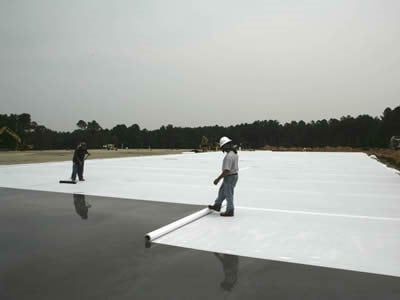
When the air temperature is to be above 75 degrees F in the following week after the concrete is poured Unlimited Concrete Concepts will apply a chemical curing compound to all exterior concrete slabs. There are a variety of practices that work to keep the moisture condition at the slab surface adequate to facilitate the hydration process. It could be from one to seven days. Covering fresh concrete with a plastic sheet has other benefits besides protecting it from rain. Use epoxy-coated galvanized or fiberglass rebar for all ground-level concrete slabs.
 Source: wagnermeters.com
If the concrete remains at 50F depending on what kind of cement is used and how much accelerator you should wait a couple of weeks-better to wait 4 weeks-before actually putting it into service. The better way to cure concrete though is with water curing. Some contractors apply additional water through fogging or spraying the slab surface repeatedly. If it is absolutely unavoidable make sure you have all the necessary waterproof materials at hand. How long to keep it wet depends on temperature and the mixyou want it to have reached sufficient strength on the surface.
 Source: concretenetwork.com
Should I cover newly poured concrete if it rains. Yes pouring concrete in the rain is possible though not advised. Moist-curing concrete for 20 days more than doubles its strength compared to four days of moist-curing which is considered a minimum. At 40 degrees F concrete could take up to 3 days to reach 500 psi. Remove the sheeting or blanket daily wet the.
 Source: kuhlman-corp.com
Remove the sheeting or blanket daily wet the. A week would be great but a few days will be sufficient. However Rain 12 Hours After Pouring Concrete shouldnt be a major issue as by that time the concrete sets. After pouring the concrete slab we will keep the water in concrete for 48 hours. Once the cure is completed the water is no longer needed in the concrete.
Source: reddit.com
At 40 degrees F concrete could take up to 3 days to reach 500 psi. Leave it covered for 24 hours. The better way to cure concrete though is with water curing. This is probably the. Keeping concrete moist helps the curing process.
 Source: wagnermeters.com
This is why corrosion-proof reinforcing rod should be used for long-term reliability of concrete projects. When the air temperature is to be above 75 degrees F in the following week after the concrete is poured Unlimited Concrete Concepts will apply a chemical curing compound to all exterior concrete slabs. If the concrete is kept at around 50F protection can typically be removed after two days. If the finishing process was recently completed rainwater may not cause damage as long as it is not worked into the surface and the slab is left untouched. A week would be great but a few days will be sufficient.
 Source: builderbill-diy-help.com
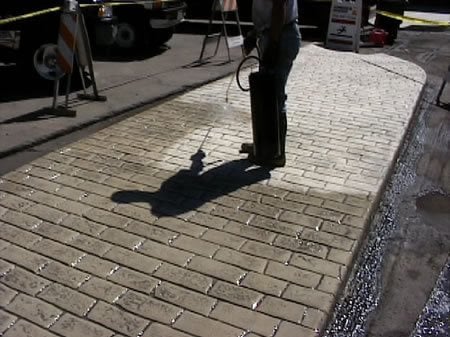
At 40 degrees F concrete could take up to 3 days to reach 500 psi. The American Concrete Institute ACI definition of cold-weather concreting is a period when for more than three successive days the average daily air temperature drops below 40 degrees Fahrenheit and stays below 50 degrees Fahrenheit for more than one-half of any 24-hour period 2 Under these conditions special techniques need to be applied. It can protect the new concrete from environmental cooling and heating fluctuations as it cures and it helps resist uneven curing due to rapid moisture loss at the top. At normal temperatures 70 degrees F concrete usually reaches 500 psi in the first 24 hours. The challenge with this method is to keep the surface uniformly wet.
 Source: concretenetwork.com
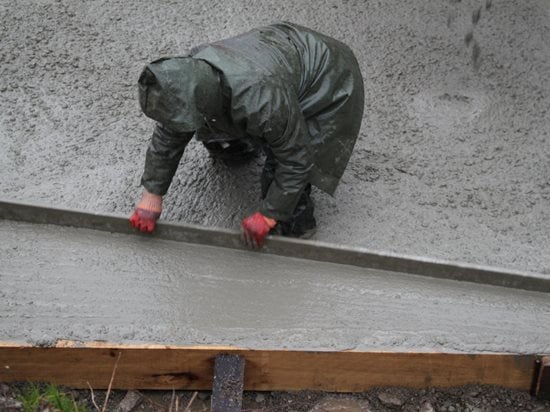
Once the cure is completed the water is no longer needed in the concrete. Dry intervals or patches can lead to crazing or. The American Concrete Institute ACI definition of cold-weather concreting is a period when for more than three successive days the average daily air temperature drops below 40 degrees Fahrenheit and stays below 50 degrees Fahrenheit for more than one-half of any 24-hour period 2 Under these conditions special techniques need to be applied. Thousands of yard of concrete are poured every day and allowed to dry. Troweling Too SoonToo Late.
 Source: pinterest.com
If the concrete remains at 50F depending on what kind of cement is used and how much accelerator you should wait a couple of weeks-better to wait 4 weeks-before actually putting it into service. Typically about 7 days is sufficient with Type I cementless in. It could be from one to seven days. The compounds we use are either Dissipating Cure. If the concrete remains at 50F depending on what kind of cement is used and how much accelerator you should wait a couple of weeks-better to wait 4 weeks-before actually putting it into service.
 Source: concretenetwork.com
Use good judgment and protect concrete whenever there is a possibility of freezing. Concrete hardens as a result of a chemical reaction called hydration between cement and water not because it dries. The longer you can keep it wet the better though as it will cure stronger. Dry intervals or patches can lead to crazing or. Covering fresh concrete with a plastic sheet has other benefits besides protecting it from rain.
 Source: concreteconstruction.net
The compounds we use are either Dissipating Cure. The most important part is to keep the concrete wet so there is enough water for the hardening process. If the finishing process was recently completed rainwater may not cause damage as long as it is not worked into the surface and the slab is left untouched. It can protect the new concrete from environmental cooling and heating fluctuations as it cures and it helps resist uneven curing due to rapid moisture loss at the top. If the concrete remains at 50F depending on what kind of cement is used and how much accelerator you should wait a couple of weeks-better to wait 4 weeks-before actually putting it into service.
This site is an open community for users to do submittion their favorite wallpapers on the internet, all images or pictures in this website are for personal wallpaper use only, it is stricly prohibited to use this wallpaper for commercial purposes, if you are the author and find this image is shared without your permission, please kindly raise a DMCA report to Us.
If you find this site beneficial, please support us by sharing this posts to your own social media accounts like Facebook, Instagram and so on or you can also bookmark this blog page with the title how long should fresh concrete be kept wet by using Ctrl + D for devices a laptop with a Windows operating system or Command + D for laptops with an Apple operating system. If you use a smartphone, you can also use the drawer menu of the browser you are using. Whether it’s a Windows, Mac, iOS or Android operating system, you will still be able to bookmark this website.


